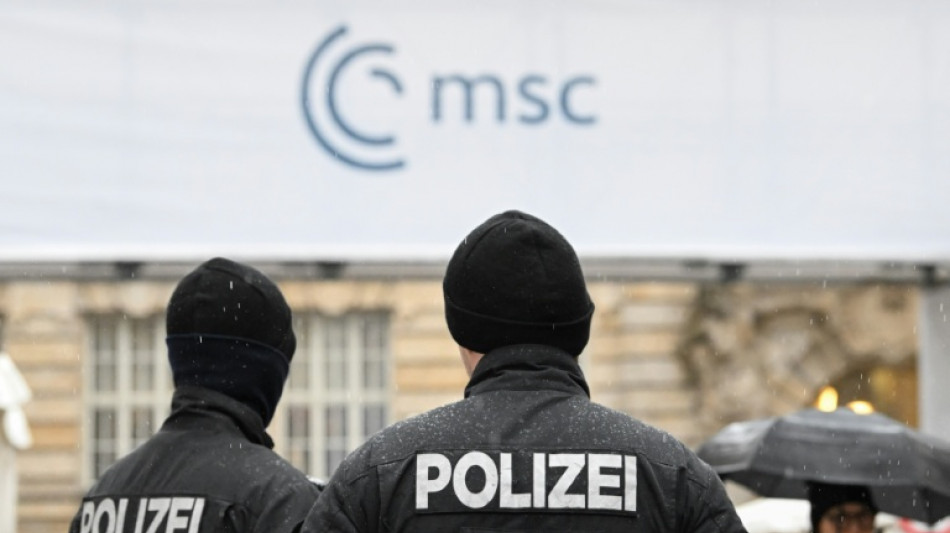
Europe defends NATO, US ties at security gathering / Photo: © AFP
 London
 11 °C
11 °C

 Manchester
 11 °C
11 °C
 Glasgow
 14 °C
14 °C
 Dublin
11 °C
Dublin
11 °C
 Belfast
 11 °C
11 °C
 Washington
17 °C
Washington
17 °C
 Denver
 27 °C
27 °C
 Atlanta
19 °C
Atlanta
19 °C
 Dallas
30 °C
Dallas
30 °C
 Houston Texas
31 °C
Houston Texas
31 °C
 New Orleans
25 °C
New Orleans
25 °C
 El Paso
27 °C
El Paso
27 °C
 Phoenix
 38 °C
38 °C
 Los Angeles
28 °C
San Diego
28 °C
San Francisco
17 °C
Chicago
19 °C
Minneapolis
20 °C
Seattle
11 °C
Portland
16 °C
Salt Lake City
27 °C
Las Vegas
Los Angeles
28 °C
San Diego
28 °C
San Francisco
17 °C
Chicago
19 °C
Minneapolis
20 °C
Seattle
11 °C
Portland
16 °C
Salt Lake City
27 °C
Las Vegas
 35 °C
Miami
29 °C
Jacksonville
25 °C
San Antonio
31 °C
Bermuda
26 °C
Nassau
18 °C
Iqaluit
35 °C
Miami
29 °C
Jacksonville
25 °C
San Antonio
31 °C
Bermuda
26 °C
Nassau
18 °C
Iqaluit
 0 °C
Yellowknife
6 °C
Anchorage
9 °C
Fairbanks
5 °C
Barrow
1 °C
Calgary
17 °C
Edmonton
23 °C
Winnipeg
16 °C
Goose Bay
12 °C
Halifax
12 °C
Boston
15 °C
Ottawa
9 °C
Toronto
16 °C
Detroit
18 °C
Cleveland
17 °C
New York
19 °C
Baltimore
18 °C
Philadelphia
17 °C
Nuuk (Godthåb)
1 °C
Hong Kong
26 °C
Singapore
0 °C
Yellowknife
6 °C
Anchorage
9 °C
Fairbanks
5 °C
Barrow
1 °C
Calgary
17 °C
Edmonton
23 °C
Winnipeg
16 °C
Goose Bay
12 °C
Halifax
12 °C
Boston
15 °C
Ottawa
9 °C
Toronto
16 °C
Detroit
18 °C
Cleveland
17 °C
New York
19 °C
Baltimore
18 °C
Philadelphia
17 °C
Nuuk (Godthåb)
1 °C
Hong Kong
26 °C
Singapore
 28 °C
Melbourne
29 °C
Canberra
18 °C
Adelaide
17 °C
Darwin
28 °C
Perth
17 °C
Fort Worth
31 °C
Honolulu
29 °C
Sydney
18 °C
Johannesburg
19 °C
Dubai
34 °C
Mumbai
30 °C
Zürich
12 °C
Tokyo
21 °C
Seoul
14 °C
Delhi
24 °C
Beijing
13 °C
Riyadh
26 °C
Prague
12 °C
Pennsylvania
15 °C
Valletta
25 °C
Manama
31 °C
Warsaw
11 °C
Stockholm
6 °C
28 °C
Melbourne
29 °C
Canberra
18 °C
Adelaide
17 °C
Darwin
28 °C
Perth
17 °C
Fort Worth
31 °C
Honolulu
29 °C
Sydney
18 °C
Johannesburg
19 °C
Dubai
34 °C
Mumbai
30 °C
Zürich
12 °C
Tokyo
21 °C
Seoul
14 °C
Delhi
24 °C
Beijing
13 °C
Riyadh
26 °C
Prague
12 °C
Pennsylvania
15 °C
Valletta
25 °C
Manama
31 °C
Warsaw
11 °C
Stockholm
6 °C
European leaders strove to shore up relations with the United States and insisted they were strengthening their defences as they gathered for a security conference on Friday under heavy pressure from President Donald Trump.
Political and business leaders, military officers, and intelligence agents convened at two fortified hotels to talk international security and stability at the Munich Security Conference.
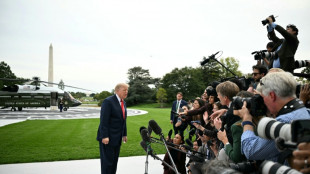
This year's event comes at a time of strained ties between Europe and the United States, after Trump threatened to take over Greenland and criticised European countries' record on immigration.
Russia's war against Ukraine, which is set to enter its fifth year this month, will be high on the agenda, alongside efforts by European NATO members to build up their defences.
European leaders ahead of the gathering defended their security commitments and vowed to strengthen NATO, after Trump called it into question and accused allies of not spending enough on defence.
Europe is "stepping up... taking more of a leadership role within NATO" and "taking more care of its own defence", the alliance's Secretary General Mark Rutte said at an event on transatlantic relations on the sidelines of the conference.
"A strong Europe in a strong NATO means that the transatlantic bond will be stronger than ever."
- US-Europe relations -
German Chancellor Friedrich Merz and French President Emmanuel Macron were scheduled to address the first day of the conference on Friday.
US Secretary of State Marco Rubio, who arrived on Friday, is due to speak at the annual gathering on Saturday, as is Ukrainian President Volodymyr Zelensky, organisers said.
Rubio is seen as a more conciliatory choice of envoy, a year after Vice President JD Vance used the same stage to attack European policies on immigration and free speech, shocking European allies.
Rubio also met his Chinese counterpart Wang Yi on Friday on the sidelines of the conference, an AFP journalist said, at a time of heightened Washington-Beijing tensions.
Meanwhile relations between Europe and the United States, their traditional allies and guarantors of the continent's security for decades, are under pressure.
Since returning to the White House last year, Trump has frequently criticised European countries for not sharing enough of the burden on common defence.
Ties plunged further last month when Trump stepped up threats to annex Greenland, an autonomous territory of NATO ally Denmark, forcing European nations to stand firm in protest.
- Ukraine discussions -
Overall, more than 60 heads of state and government and around 100 foreign and defence ministers were to descend on the southern German city amid high security, with about 5,000 police deployed for the event.
Merz was to open the conference on Friday at 1:45 pm (1245 GMT), while the French president will close Friday's official programme with a speech at 7:00 pm (1800 GMT), according to the MSC agenda.
The two were scheduled to meet with Rubio plus UK premier Keir Starmer and Zelensky on Friday afternoon for talks on Ukraine.
EU foreign policy chief Kaja Kallas, Finnish President Alexander Stubb and British Foreign Secretary Yvette Cooper will also address the conference over the course of the day.
German Foreign Minister Johann Wadephul said the Munich conference "stands like no other for what is in the DNA of our foreign and security policy, namely the transatlantic bond.
"I believe we are working on this even in difficult times," he added. "We will only survive them if we preserve our alliances, if we stand by what has always made us strong... that is the most successful defence alliance in the world: NATO."
K.Pawlak--GL