Olympics rev up Milan's renewal but locals fear price to pay / Photo: © AFP

 London
 13 °C
13 °C
 Manchester
 11 °C
11 °C
 Glasgow
 14 °C
14 °C
 Dublin
11 °C
Dublin
11 °C
 Belfast
11 °C
Belfast
11 °C
 Washington
22 °C
Washington
22 °C
 Denver
30 °C
Denver
30 °C
 Atlanta
21 °C
Atlanta
21 °C
 Dallas
 33 °C
33 °C
 Houston Texas
33 °C
Houston Texas
33 °C
 New Orleans
27 °C
New Orleans
27 °C
 El Paso
28 °C
El Paso
28 °C
 Phoenix
 39 °C
39 °C
 Los Angeles
29 °C
San Diego
29 °C
San Francisco
18 °C
Chicago
21 °C
Minneapolis
22 °C
Seattle
Los Angeles
29 °C
San Diego
29 °C
San Francisco
18 °C
Chicago
21 °C
Minneapolis
22 °C
Seattle
 12 °C
Portland
15 °C
Salt Lake City
27 °C
Las Vegas
35 °C
Miami
30 °C
Jacksonville
25 °C
San Antonio
12 °C
Portland
15 °C
Salt Lake City
27 °C
Las Vegas
35 °C
Miami
30 °C
Jacksonville
25 °C
San Antonio
 32 °C
Bermuda
27 °C
Nassau
21 °C
Iqaluit
32 °C
Bermuda
27 °C
Nassau
21 °C
Iqaluit
 1 °C
Yellowknife
6 °C
Anchorage
8 °C
Fairbanks
0 °C
Barrow
-1 °C
Calgary
19 °C
Edmonton
28 °C
Winnipeg
16 °C
Goose Bay
14 °C
Halifax
18 °C
Boston
18 °C
Ottawa
11 °C
Toronto
19 °C
Detroit
20 °C
Cleveland
19 °C
New York
21 °C
Baltimore
22 °C
Philadelphia
21 °C
Nuuk (Godthåb)
1 °C
Hong Kong
26 °C
Singapore
28 °C
Melbourne
31 °C
Canberra
13 °C
Adelaide
14 °C
Darwin
23 °C
Perth
14 °C
Fort Worth
32 °C
Honolulu
29 °C
Sydney
17 °C
Johannesburg
20 °C
Dubai
33 °C
Mumbai
31 °C
Zürich
11 °C
Tokyo
18 °C
Seoul
12 °C
Delhi
25 °C
Beijing
13 °C
Riyadh
29 °C
Prague
12 °C
Pennsylvania
20 °C
Valletta
25 °C
Manama
32 °C
Warsaw
11 °C
Stockholm
6 °C
1 °C
Yellowknife
6 °C
Anchorage
8 °C
Fairbanks
0 °C
Barrow
-1 °C
Calgary
19 °C
Edmonton
28 °C
Winnipeg
16 °C
Goose Bay
14 °C
Halifax
18 °C
Boston
18 °C
Ottawa
11 °C
Toronto
19 °C
Detroit
20 °C
Cleveland
19 °C
New York
21 °C
Baltimore
22 °C
Philadelphia
21 °C
Nuuk (Godthåb)
1 °C
Hong Kong
26 °C
Singapore
28 °C
Melbourne
31 °C
Canberra
13 °C
Adelaide
14 °C
Darwin
23 °C
Perth
14 °C
Fort Worth
32 °C
Honolulu
29 °C
Sydney
17 °C
Johannesburg
20 °C
Dubai
33 °C
Mumbai
31 °C
Zürich
11 °C
Tokyo
18 °C
Seoul
12 °C
Delhi
25 °C
Beijing
13 °C
Riyadh
29 °C
Prague
12 °C
Pennsylvania
20 °C
Valletta
25 °C
Manama
32 °C
Warsaw
11 °C
Stockholm
6 °C
The Winter Olympics are expected to accelerate Milan's transformation into a vibrant international metropolis -- but many residents fear the effect will see them priced out.
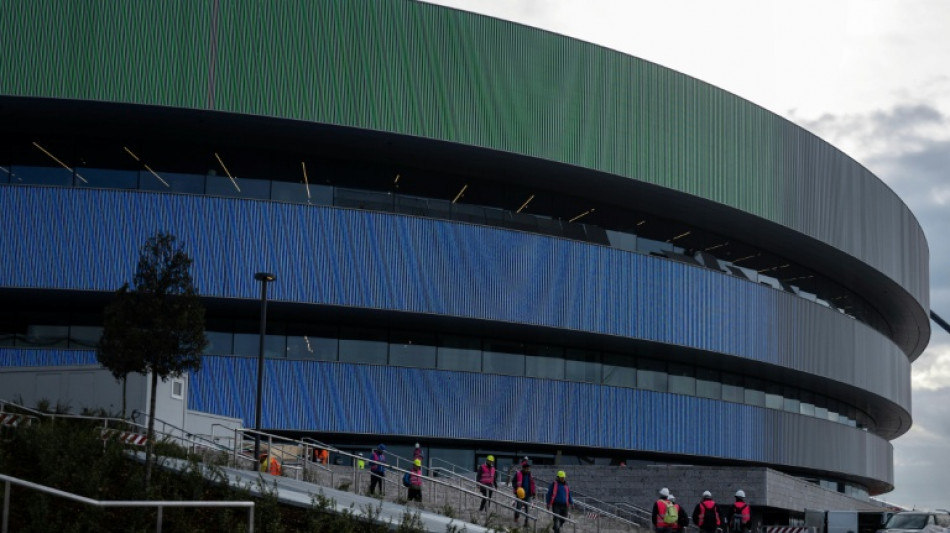
As one of several sites hosting the Milan-Cortina Games, the northern Italian city has benefited from major investments, with the Santagiulia ice hockey arena one example.
Built on a vacant lot in the southeast suburbs, near a wooded area known for crack cocaine dealing, the arena will be turned into a concert venue after the Games, with hopes that it will regenerate the run-down area.
But the Olympic spirit is hard to find in much of Milan, where rents have soared in the past few years as skyscrapers and top restaurants multiply.
Thousands of people protested the opening of the February 6-22 Games, many railing against the social impact, bearing banners saying "Eat the rich, not the city".
"Milan is becoming very attractive for tourists, for the rich -- but what will be left?" Giovanni Gaiani, 69, told AFP at the demonstration.
- Rising rents -
Milan has long been the economic capital of Italy and is used to holding international events, from fashion weeks to design fairs and football matches by its two top-flight clubs, AC Milan and Inter Milan.
Employment possibilities are greater and wages generally higher than elsewhere in Italy, and the city has long attracted workers from across the country, especially the poorer south.
But wages in Milan grew just 10 percent between 2015 and 2023, while rents jumped 45 percent in the same period, according to the Affordable Housing Observatory.
They have stabilised in recent months, but many middle-class families have been pushed far from the city centre, and students struggle to find affordable accommodation.
"Even on the outskirts it's hard to find something... rents and sale prices have reached crazy levels," said Giorgio Saccone, a 31-year-old baker.
Milan has also seen a huge influx of tourists and capital in recent years, boosted by the 2015 World Expo.
Visitor numbers have doubled over the past decade, to 9.7 million in 2025, according to city authorities.
The Expo attracted expatriates who "want a dynamic life, close to fashion and design", said Diletta Giorgolo Spinola, head of residential offerings in Italy for Sotheby's.
Changes to the British tax regime have also pushed some wealthy individuals to leave the UK and "choose between Italy and Dubai", both of which offer tax advantages and international schools, she told AFP.
"We're seeing many families, single people, or couples whose children have left home, coming from the tech, banking and finance sectors" and typically buying properties worth five to 10 million euros ($6-12 million), she said.
- Disneyland? -
In Milan's city centre, Via Montenapoleone -- labelled the street with the world's most expensive shop rents in 2024 -- has just welcomed a huge Fendi store.
High-end restaurant openings are also multiplying, including the recent arrival of Turkish chef and influencer "Salt Bae" and his 285 euro steaks.
At the same time, Milan has experienced a property development boom, accelerated by the Olympic Games.
In the south of the city, the Olympic Village has been built on a disused rail yard opposite the Prada Foundation.
After the Games, it will be transformed into a huge university residence with rooms costing more than 800 euros a month.
Measuring the economic impact of major events is always difficult, but business lobby group Assolombarda put the immediate benefits at several hundred million euros, including 139 million for the hospitality industry.
However, "the real issue with these Games is their legacy", which will be assessed only in the coming years, said Valeria Negri, author of the Assolombarda report.
For Alberto di Monte, one of the organisers of the anti-Olympic protests, the verdict is already in.
Milan has been transformed into a "pleasant Disneyland for tourists", he told AFP.
I.Wroblewski--GL