G7 meets in France to narrow transatlantic Iran split / Photo: © AFP

 London
 8 °C
8 °C

 Manchester
6 °C
Manchester
6 °C
 Glasgow
 13 °C
13 °C
 Dublin
 7 °C
7 °C
 Belfast
 9 °C
9 °C
 Washington
15 °C
Washington
15 °C
 Denver
20 °C
Denver
20 °C
 Atlanta
18 °C
Atlanta
18 °C
 Dallas
23 °C
Dallas
23 °C
 Houston Texas
28 °C
Houston Texas
28 °C
 New Orleans
25 °C
New Orleans
25 °C
 El Paso
25 °C
El Paso
25 °C
 Phoenix
33 °C
Phoenix
33 °C
 Los Angeles
28 °C
San Diego
27 °C
San Francisco
16 °C
Chicago
19 °C
Minneapolis
Los Angeles
28 °C
San Diego
27 °C
San Francisco
16 °C
Chicago
19 °C
Minneapolis
 14 °C
Seattle
14 °C
Portland
19 °C
Salt Lake City
21 °C
Las Vegas
30 °C
Miami
26 °C
Jacksonville
25 °C
San Antonio
24 °C
Bermuda
24 °C
Nassau
16 °C
Iqaluit
0 °C
Yellowknife
5 °C
Anchorage
8 °C
Fairbanks
1 °C
Barrow
-8 °C
Calgary
9 °C
Edmonton
18 °C
Winnipeg
10 °C
Goose Bay
15 °C
Halifax
12 °C
Boston
13 °C
Ottawa
13 °C
Toronto
15 °C
Detroit
17 °C
Cleveland
20 °C
New York
15 °C
Baltimore
15 °C
Philadelphia
14 °C
Nuuk (Godthåb)
2 °C
Hong Kong
28 °C
Singapore
14 °C
Seattle
14 °C
Portland
19 °C
Salt Lake City
21 °C
Las Vegas
30 °C
Miami
26 °C
Jacksonville
25 °C
San Antonio
24 °C
Bermuda
24 °C
Nassau
16 °C
Iqaluit
0 °C
Yellowknife
5 °C
Anchorage
8 °C
Fairbanks
1 °C
Barrow
-8 °C
Calgary
9 °C
Edmonton
18 °C
Winnipeg
10 °C
Goose Bay
15 °C
Halifax
12 °C
Boston
13 °C
Ottawa
13 °C
Toronto
15 °C
Detroit
17 °C
Cleveland
20 °C
New York
15 °C
Baltimore
15 °C
Philadelphia
14 °C
Nuuk (Godthåb)
2 °C
Hong Kong
28 °C
Singapore
 32 °C
Melbourne
25 °C
Canberra
32 °C
Melbourne
25 °C
Canberra
 18 °C
Adelaide
28 °C
Darwin
32 °C
Perth
18 °C
Fort Worth
23 °C
Honolulu
27 °C
Sydney
20 °C
Johannesburg
13 °C
Dubai
33 °C
Mumbai
31 °C
Zürich
14 °C
Tokyo
18 °C
Adelaide
28 °C
Darwin
32 °C
Perth
18 °C
Fort Worth
23 °C
Honolulu
27 °C
Sydney
20 °C
Johannesburg
13 °C
Dubai
33 °C
Mumbai
31 °C
Zürich
14 °C
Tokyo
 24 °C
Seoul
23 °C
Delhi
26 °C
Beijing
21 °C
Riyadh
28 °C
Prague
11 °C
Pennsylvania
12 °C
Valletta
24 °C
Manama
31 °C
Warsaw
12 °C
Stockholm
10 °C
24 °C
Seoul
23 °C
Delhi
26 °C
Beijing
21 °C
Riyadh
28 °C
Prague
11 °C
Pennsylvania
12 °C
Valletta
24 °C
Manama
31 °C
Warsaw
12 °C
Stockholm
10 °C
Foreign ministers from the G7 meet outside Paris from Thursday with European nations and allies seeking to narrow differences with the US on the Middle East war while keeping other crises like Ukraine and Gaza high on the agenda.
The two-day meeting of seven leading industrialised democracies at the Vaux-de-Cernay Abbey in the countryside outside Paris comes as the White House said President Donald Trump is ready to "unleash hell" if Iran does not accept a deal to end the US-Israeli war against the Islamic republic.
Making his first trip abroad since the war started, US Secretary of State Marco Rubio will join fellow top diplomats from Canada, Germany, Italy, France, Japan and the UK, but only on the second day.
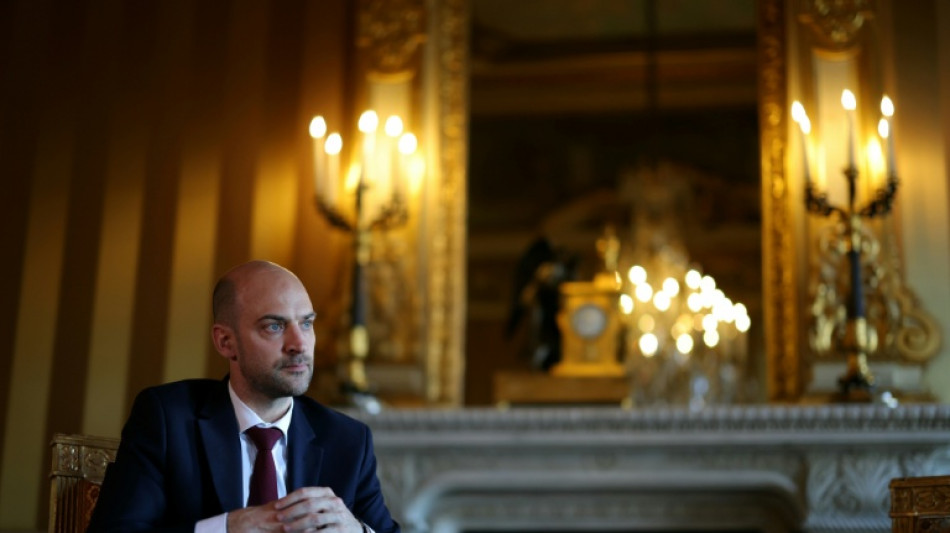
One of the objectives of France, which holds the rotating G7 presidency this year, is "to address the major global imbalances which explain in many respects the level of tension and rivalry we are witnessing with very concrete consequences for our fellow citizens," French Foreign Minister Jean-Noel Barrot told AFP on Tuesday.
With Lebanon pulled into the war as Iran-backed Shia militant group Hezbollah fired rockets into Israel, Barrot also urged Israel to "refrain" from sending in forces to take control of a zone in south Lebanon.
In a bid to broaden the scope of the elite G7 club -- whose origins go back to the first G6 summit held in the nearby Chateau de Rambouillet in 1975 -- France has also invited foreign ministers from key emerging markets Brazil and India as well as Ukraine, Saudi Arabia and South Korea.
While all G7 nations are close US allies, none have unambiguously offered support for the assault on Iran, angering Trump.
German Finance Minister and Vice Chancellor Lars Klingbeil even complained Trump's "misguided policies" in the Middle East were hitting Germany's economy.
Trump has claimed the US is speaking to a "top person" within Iran's clerical system in talks to end the conflict. But Iranian state TV said on Wednesday Tehran had rejected a peace plan conveyed through Pakistan.
Trump's threat to hit Iranian energy facilities -- which he is now holding back on amid the purported talks -- troubled European allies who have all called for de-escalation and not engaged militarily in the conflict.
British foreign minister Yvette Cooper on Tuesday voiced unease that the war had shifted focus away from the Gaza peace plan and violence in the occupied West Bank.
Over four years into Russia's full-scale invasion of Ukraine, Barrot told AFP that support "for the Ukrainian resistance" and pressure on Russia would continue.
U.Krajewski--GL