London police to extend use of live facial recognition, drones / Photo: © AFP

 London
 17 °C
17 °C

 Manchester
14 °C
Manchester
14 °C
 Glasgow
 16 °C
16 °C
 Dublin
18 °C
Dublin
18 °C
 Belfast
18 °C
Belfast
18 °C
 Washington
 29 °C
29 °C
 Denver
26 °C
Denver
26 °C
 Atlanta
 33 °C
33 °C
 Dallas
34 °C
Dallas
34 °C
 Houston Texas
32 °C
Houston Texas
32 °C
 New Orleans
31 °C
New Orleans
31 °C
 El Paso
26 °C
El Paso
26 °C
 Phoenix
32 °C
Phoenix
32 °C
 Los Angeles
 23 °C
San Diego
23 °C
San Francisco
16 °C
Chicago
21 °C
Minneapolis
16 °C
Seattle
15 °C
Portland
15 °C
Salt Lake City
21 °C
Las Vegas
30 °C
Miami
30 °C
Jacksonville
29 °C
San Antonio
31 °C
Bermuda
30 °C
Nassau
26 °C
Iqaluit
5 °C
Yellowknife
11 °C
Anchorage
9 °C
Fairbanks
3 °C
Barrow
-1 °C
Calgary
17 °C
Edmonton
34 °C
Winnipeg
15 °C
Goose Bay
18 °C
Halifax
25 °C
Boston
25 °C
Ottawa
19 °C
Toronto
21 °C
Detroit
22 °C
Cleveland
23 °C
New York
27 °C
Baltimore
29 °C
Philadelphia
27 °C
Nuuk (Godthåb)
4 °C
Hong Kong
23 °C
San Diego
23 °C
San Francisco
16 °C
Chicago
21 °C
Minneapolis
16 °C
Seattle
15 °C
Portland
15 °C
Salt Lake City
21 °C
Las Vegas
30 °C
Miami
30 °C
Jacksonville
29 °C
San Antonio
31 °C
Bermuda
30 °C
Nassau
26 °C
Iqaluit
5 °C
Yellowknife
11 °C
Anchorage
9 °C
Fairbanks
3 °C
Barrow
-1 °C
Calgary
17 °C
Edmonton
34 °C
Winnipeg
15 °C
Goose Bay
18 °C
Halifax
25 °C
Boston
25 °C
Ottawa
19 °C
Toronto
21 °C
Detroit
22 °C
Cleveland
23 °C
New York
27 °C
Baltimore
29 °C
Philadelphia
27 °C
Nuuk (Godthåb)
4 °C
Hong Kong
 27 °C
Singapore
27 °C
Melbourne
29 °C
Canberra
7 °C
Adelaide
27 °C
Singapore
27 °C
Melbourne
29 °C
Canberra
7 °C
Adelaide
 11 °C
Darwin
25 °C
Perth
11 °C
Darwin
25 °C
Perth
 16 °C
Fort Worth
34 °C
Honolulu
27 °C
Sydney
15 °C
Johannesburg
14 °C
Dubai
34 °C
Mumbai
28 °C
Zürich
20 °C
Tokyo
21 °C
Seoul
20 °C
Delhi
16 °C
Fort Worth
34 °C
Honolulu
27 °C
Sydney
15 °C
Johannesburg
14 °C
Dubai
34 °C
Mumbai
28 °C
Zürich
20 °C
Tokyo
21 °C
Seoul
20 °C
Delhi
 29 °C
Beijing
19 °C
Riyadh
37 °C
Prague
18 °C
Pennsylvania
24 °C
Valletta
27 °C
Manama
33 °C
Warsaw
19 °C
Stockholm
13 °C
29 °C
Beijing
19 °C
Riyadh
37 °C
Prague
18 °C
Pennsylvania
24 °C
Valletta
27 °C
Manama
33 °C
Warsaw
19 °C
Stockholm
13 °C
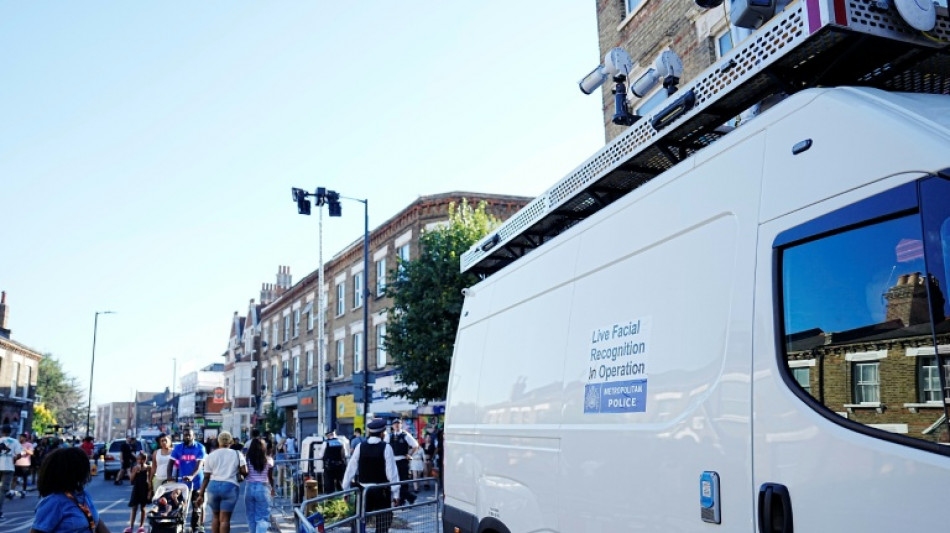
London's Metropolitan Police force said Wednesday it will expand the use of drones, artificial intelligence and live facial recognition technology, which has been criticised by rights campaigners.
The scale-up plan involves rolling out static facial recognition across central London and having drone coverage in every London borough in a year's time, the Met said in a press release.
"Policing today will fail if it is not allowed to keep pace with criminals through technology," Met Commissioner Mark Rowley said.
In a speech, Rowley called for the force to be allowed to deploy new technology without being bogged down by legislation and bureaucracy.
Earlier this month, the police chief criticised London Mayor Sadiq Khan's decision to block a multi-million-pound contract with Palantir for the Met to use the AI giant's technology.
According to Rowley, a Palantir pilot had helped the UK's biggest police force consolidate its data. "We must now bring the same technologies to bear in how we tackle crime more broadly," he said.
The mayor's office previously said it was not satisfied the Met had demonstrated the value for money of Palantir's technology.
Rowley also called live facial recognition "the clearest example of what new technology can do", citing that the tech has "contributed to more than 2,000 arrests" since 2024.
The Met scans the faces of passers-by and compares their biometrics with thousands on a watchlist, under its usage policy. The UK is the only European country to deploy the technology on a large scale.
The adoption has faced criticism from human rights organisations, citing fears of mass surveillance and risks of misidentification.
In April, the High Court in London ruled that the Met had "adequate safeguards against abuse" after the force was taken to court by a man falsely identified as a suspect.
Such legal hurdles "risks slowing progress to the point where policing cannot keep pace with the threats we face," Rowley said.
Civil liberties campaigning group Big Brother Watch slammed the live facial recognition expansion as an "alarming escalation of an intrusive technology".
W.Mroz--GL