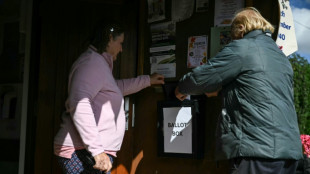
Brazil toughens rules on gambling ads as bets explode / Photo: © AFP

 London
 16 °C
16 °C
 Manchester
 14 °C
14 °C
 Glasgow
 21 °C
21 °C
 Dublin
 14 °C
14 °C
 Belfast
14 °C
Belfast
14 °C
 Washington
 26 °C
26 °C
 Denver
 24 °C
24 °C
 Atlanta
 33 °C
33 °C
 Dallas
 38 °C
38 °C
 Houston Texas
35 °C
Houston Texas
35 °C
 New Orleans
33 °C
New Orleans
33 °C
 El Paso
31 °C
El Paso
31 °C
 Phoenix
37 °C
Phoenix
37 °C
 Los Angeles
28 °C
San Diego
25 °C
San Francisco
19 °C
Chicago
29 °C
Minneapolis
22 °C
Seattle
17 °C
Portland
19 °C
Salt Lake City
26 °C
Las Vegas
36 °C
Miami
32 °C
Jacksonville
29 °C
San Antonio
38 °C
Bermuda
27 °C
Nassau
21 °C
Iqaluit
8 °C
Yellowknife
7 °C
Anchorage
14 °C
Fairbanks
Los Angeles
28 °C
San Diego
25 °C
San Francisco
19 °C
Chicago
29 °C
Minneapolis
22 °C
Seattle
17 °C
Portland
19 °C
Salt Lake City
26 °C
Las Vegas
36 °C
Miami
32 °C
Jacksonville
29 °C
San Antonio
38 °C
Bermuda
27 °C
Nassau
21 °C
Iqaluit
8 °C
Yellowknife
7 °C
Anchorage
14 °C
Fairbanks
 7 °C
Barrow
0 °C
Calgary
9 °C
Edmonton
36 °C
Winnipeg
16 °C
Goose Bay
18 °C
Halifax
19 °C
Boston
19 °C
Ottawa
16 °C
Toronto
21 °C
Detroit
26 °C
Cleveland
28 °C
New York
22 °C
Baltimore
25 °C
Philadelphia
25 °C
Nuuk (Godthåb)
5 °C
Hong Kong
28 °C
Singapore
27 °C
Melbourne
31 °C
Canberra
3 °C
Adelaide
10 °C
Darwin
24 °C
Perth
17 °C
Fort Worth
38 °C
Honolulu
29 °C
Sydney
11 °C
Johannesburg
12 °C
Dubai
33 °C
Mumbai
26 °C
Zürich
19 °C
Tokyo
22 °C
Seoul
14 °C
Delhi
29 °C
Beijing
17 °C
Riyadh
32 °C
Prague
18 °C
Pennsylvania
24 °C
Valletta
25 °C
Manama
33 °C
Warsaw
14 °C
Stockholm
15 °C
7 °C
Barrow
0 °C
Calgary
9 °C
Edmonton
36 °C
Winnipeg
16 °C
Goose Bay
18 °C
Halifax
19 °C
Boston
19 °C
Ottawa
16 °C
Toronto
21 °C
Detroit
26 °C
Cleveland
28 °C
New York
22 °C
Baltimore
25 °C
Philadelphia
25 °C
Nuuk (Godthåb)
5 °C
Hong Kong
28 °C
Singapore
27 °C
Melbourne
31 °C
Canberra
3 °C
Adelaide
10 °C
Darwin
24 °C
Perth
17 °C
Fort Worth
38 °C
Honolulu
29 °C
Sydney
11 °C
Johannesburg
12 °C
Dubai
33 °C
Mumbai
26 °C
Zürich
19 °C
Tokyo
22 °C
Seoul
14 °C
Delhi
29 °C
Beijing
17 °C
Riyadh
32 °C
Prague
18 °C
Pennsylvania
24 °C
Valletta
25 °C
Manama
33 °C
Warsaw
14 °C
Stockholm
15 °C
Brazil on Friday made it mandatory for gambling advertisements to carry warnings about addiction and money loss, tightening regulations on a sector that has exploded in recent years, dragging many into debt.
Brazil's betting market has boomed since a regulatory framework was established in 2023, accompanied by aggressive advertising both on the streets and online from influencers and sports stars.
Controversy soared during the World Cup, with YouTube channel CazeTV -- which streamed all matches live to millions of people -- showing QR codes to place bets and recommending specific wagers.
After a probe from the country's consumer protection agency, the channel scaled back such ads.
The goal is to "treat betting like cigarettes," said Finance Minister Dario Durigan of the new rules obliging betting ads to carry warnings.
Official figures show that most people using betting platforms come from poor households.
A study by the National Confederation of Commerce estimated that debt due to betting pushed almost 270,000 families into severe default over about three years.
"The people who bet aren't actually financially stable. They usually want to change their lives and end up believing this misleading advertising," Ana Clara Costa, a 21-year-old market vendor in Copacabana, told AFP.
Some cities are taking the rules a step further. In Rio de Janeiro, municipal workers this week covered up billboards with the message: "Betting ad REMOVED."
The Gaming and Lottery Association said such measures were an "unfounded attack" and told AFP it would take action against them.
Lawyer Juliana Prates told AFP she has sought to fight the industry since her brother took his own life last year due to gambling debts.
She said she filed a complaint to authorities after football star Neymar promoted a betting brand to his tens of millions of followers but never received a response.
She said there was a lack of will to solve the problem "because a lot of money is involved."
Brazilian influencer Virginia Fonseca is facing a lawsuit after recommending that her 56 million Instagram followers place a bet on Cape Verde beating Argentina during the World Cup.
Rodrigo Leite of the Federal University of Rio de Janeiro told AFP that public figures held more sway than traditional commercials, and that Brazilians needed better financial education.
"The average Brazilian did not have antibodies against betting," he said.
In 2025, 25.2 million Brazilians placed bets, in a country of 213 million inhabitants, according to official data.
President Luiz Inacio Lula da Silva has described the phenomenon as a public health issue, even though his government collects billions of reais in taxes from the sector.
R.Sadowski--GL