Turkey, Australia's joint COP31 leadership raises doubts / Photo: © POOL/AFP

 London
 15 °C
15 °C
 Manchester
12 °C
Manchester
12 °C
 Glasgow
13 °C
Glasgow
13 °C
 Dublin
 7 °C
7 °C
 Belfast
7 °C
Belfast
7 °C
 Washington
10 °C
Washington
10 °C
 Denver
21 °C
Denver
21 °C
 Atlanta
18 °C
Atlanta
18 °C
 Dallas
22 °C
Dallas
22 °C
 Houston Texas
28 °C
Houston Texas
28 °C
 New Orleans
25 °C
New Orleans
25 °C
 El Paso
23 °C
El Paso
23 °C
 Phoenix
32 °C
Phoenix
32 °C
 Los Angeles
32 °C
San Diego
27 °C
San Francisco
20 °C
Chicago
19 °C
Minneapolis
19 °C
Seattle
13 °C
Portland
19 °C
Salt Lake City
19 °C
Las Vegas
29 °C
Miami
Los Angeles
32 °C
San Diego
27 °C
San Francisco
20 °C
Chicago
19 °C
Minneapolis
19 °C
Seattle
13 °C
Portland
19 °C
Salt Lake City
19 °C
Las Vegas
29 °C
Miami
 27 °C
Jacksonville
23 °C
San Antonio
25 °C
Bermuda
26 °C
Nassau
12 °C
Iqaluit
-1 °C
Yellowknife
5 °C
Anchorage
7 °C
Fairbanks
3 °C
Barrow
-8 °C
Calgary
11 °C
Edmonton
14 °C
Winnipeg
10 °C
Goose Bay
6 °C
Halifax
7 °C
Boston
8 °C
Ottawa
27 °C
Jacksonville
23 °C
San Antonio
25 °C
Bermuda
26 °C
Nassau
12 °C
Iqaluit
-1 °C
Yellowknife
5 °C
Anchorage
7 °C
Fairbanks
3 °C
Barrow
-8 °C
Calgary
11 °C
Edmonton
14 °C
Winnipeg
10 °C
Goose Bay
6 °C
Halifax
7 °C
Boston
8 °C
Ottawa
 6 °C
Toronto
13 °C
Detroit
6 °C
Toronto
13 °C
Detroit
 14 °C
Cleveland
12 °C
New York
13 °C
Baltimore
10 °C
Philadelphia
10 °C
Nuuk (Godthåb)
3 °C
Hong Kong
14 °C
Cleveland
12 °C
New York
13 °C
Baltimore
10 °C
Philadelphia
10 °C
Nuuk (Godthåb)
3 °C
Hong Kong
 27 °C
Singapore
31 °C
Melbourne
24 °C
Canberra
15 °C
Adelaide
22 °C
Darwin
27 °C
Singapore
31 °C
Melbourne
24 °C
Canberra
15 °C
Adelaide
22 °C
Darwin
 32 °C
Perth
21 °C
Fort Worth
23 °C
Honolulu
27 °C
Sydney
19 °C
Johannesburg
9 °C
Dubai
31 °C
Mumbai
29 °C
Zürich
13 °C
Tokyo
25 °C
Seoul
23 °C
Delhi
27 °C
Beijing
21 °C
Riyadh
25 °C
Prague
9 °C
Pennsylvania
7 °C
Valletta
24 °C
Manama
30 °C
Warsaw
11 °C
Stockholm
9 °C
32 °C
Perth
21 °C
Fort Worth
23 °C
Honolulu
27 °C
Sydney
19 °C
Johannesburg
9 °C
Dubai
31 °C
Mumbai
29 °C
Zürich
13 °C
Tokyo
25 °C
Seoul
23 °C
Delhi
27 °C
Beijing
21 °C
Riyadh
25 °C
Prague
9 °C
Pennsylvania
7 °C
Valletta
24 °C
Manama
30 °C
Warsaw
11 °C
Stockholm
9 °C
Australia and Turkey are co-hosting COP31 in November but the highly-unusual decision to share leadership has raised questions about how the climate summit will unfold -- and who holds the power.
Both countries had fought to host the high-profile event, forcing a compromise under which Turkey would stage COP31 but Australia would run the formal negotiations.
The two delegations insist they are working closely together and have pledged steady and predictable leadership at the summit starting November 9 in the Turkish city of Antalya.
But the dual-presidency model "has no precedent" at UN climate summits and its success is not guaranteed, said Anna Perez Catala from the Paris-based policy think tank IDDRI.
It "aims to showcase countries can work together even in difficult times, but could bring disagreements," Catala said.
- Rivals to partners -
The climate summits rotate between regional blocs, with the host normally selected by consensus after consultation among members of the relevant group.
Australia and Turkey arrived at last year's COP in Brazil as rival bidders for the 2026 summit and a diplomatic stalemate ensued when neither would withdraw from the race.
Australia's bid enjoyed wider support but Turkey did not relent, arguing it could bridge industrialised and developing nations and highlighting ample, affordable hotel capacity in Antalya.
After extensive closed-door talks, a compromise was reached: Turkey would be COP31 President, host the summit and world leaders in Antalya, and design the "action agenda" that runs alongside the formal talks.
Australia's Climate Minister Chris Bowen was named "President of Negotiations" and granted "exclusive authority" of the negotiations.
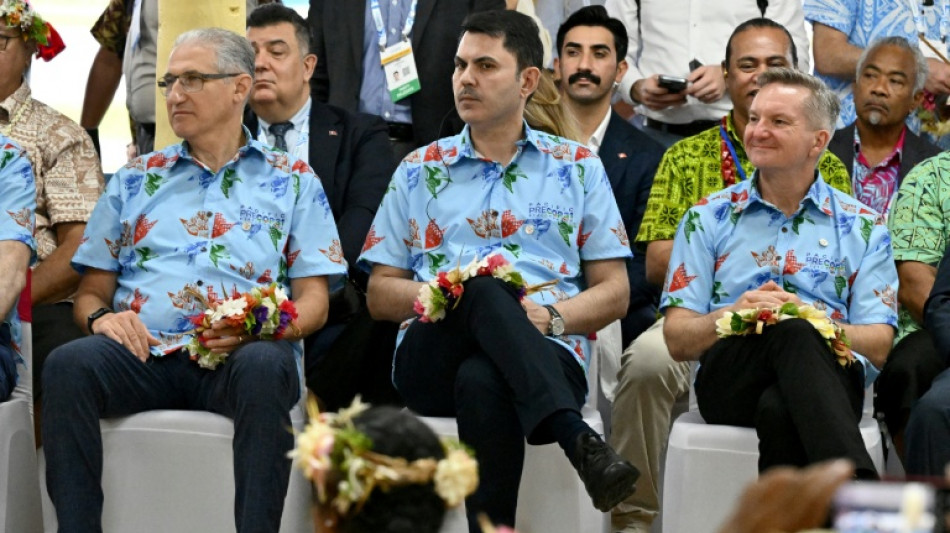
Additionally, pre-COP meetings are being held in Fiji and Tuvalu this week in a nod to Australia's original desire for the summit to have a Pacific focus.
- Who decides? -
The compromise resolved the hosting deadlock -- but questions over the specifics soon emerged.
In April, when asked by AFP if he would have a role in the negotiations, incoming COP31 President Murat Kurum said Turkey would "play a role anywhere, everywhere, because Turkey is the COP31 president".
"At the end of the day, the decisions will be taken by the COP31 Presidency," said Kurum, who is also Turkey's environment minister.
In June, Bowen acknowledged there was some nervousness over the unique arrangement but said concerns were misplaced.
"I do understand because it's a new thing. But what we're doing actually has a lot of benefits and potential," he told AFP in Bonn, Germany, during the mid-year UN climate sessions.
When asked who would bring down the final gavel at COP31, Bowen replied: "Kurum and I... Together."
"We are working very closely together," he added.
Yet in September, when asked again to clarify this situation, Kurum stressed: "Turkey is not co-chairing COP31 with Australia".
"In conducting those negotiations, Australia will work in consultation with the COP31 Presidency, and ultimately the final decision rests with the COP31 Presidency," he told reporters.
- Call for clarity -
Kurum and Bowen insist the arrangement is working smoothly, calling each other good friends and joshing about football when their national sides competed in this year's World Cup.
"We are genuinely working in harmony with Australia and our friends there... We have not experienced any problems so far, and we do not expect to encounter any in the future," Kurum said in September.
But it remains to be seen whether the novel arrangement works out.
"Historically when there has been a lack of clarity of process or roles of presidencies at the COPs, it has diverted attention from the work at hand," Germany's former climate envoy Jennifer Morgan told AFP.
The summit comes at a fragile moment for climate diplomacy: energy security concerns are high on the political agenda, trust in multilateral institutions is under pressure, and nations remain divided over tougher action on planet-heating fossil fuels.
A French government official said there was a "clear division of roles" between the two countries: "It's a new approach, so we'll see how it works in practice."
K.Radomski--GL