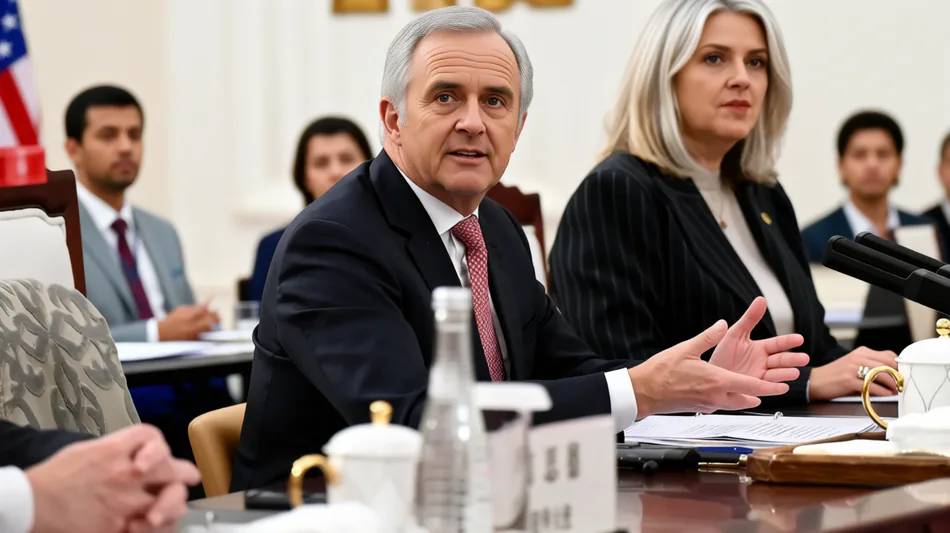
Albanese Directly Challenges Putin on Ukraine War at APEC Summit

 London
 3 °C

 Manchester
 0 °C
 Glasgow
 2 °C
 Dublin
6 °C
 Belfast
 5 °C
 Washington
11 °C
 Denver
9 °C
 Atlanta
16 °C
 Dallas
18 °C
 Houston Texas
20 °C
 New Orleans
19 °C
 El Paso
17 °C
 Phoenix
16 °C
 Los Angeles
14 °C
San Diego
15 °C
San Francisco
10 °C
Chicago
15 °C
Minneapolis
17 °C
Seattle
4 °C
Portland
3 °C
Salt Lake City
 2 °C
Las Vegas
12 °C
Miami
22 °C
Jacksonville
18 °C
San Antonio
16 °C
Bermuda
21 °C
Nassau
11 °C
Iqaluit
-14 °C
Yellowknife
-17 °C
Anchorage
-3 °C
Fairbanks
 -9 °C
Barrow
 -3 °C
Calgary
-4 °C
Edmonton
9 °C
Winnipeg
 4 °C
Goose Bay
6 °C
Halifax
7 °C
Boston
9 °C
Ottawa
5 °C
Toronto
8 °C
Detroit
8 °C
Cleveland
10 °C
New York
14 °C
Baltimore
10 °C
Philadelphia
12 °C
Nuuk (Godthåb)
-5 °C
Hong Kong
20 °C
Singapore
 29 °C
Melbourne
21 °C
Canberra
26 °C
Adelaide
 28 °C
Darwin
34 °C
Perth
20 °C
Fort Worth
17 °C
Honolulu
26 °C
Sydney
25 °C
Johannesburg
17 °C
Dubai
 23 °C
Mumbai
26 °C
Zürich
8 °C
Tokyo
 15 °C
Seoul
2 °C
Delhi
15 °C
Beijing
5 °C
Riyadh
17 °C
Prague
3 °C
Pennsylvania
7 °C
Valletta
18 °C
Manama
23 °C
Warsaw
-1 °C
Stockholm
0 °C
Australian Prime Minister Anthony Albanese delivered a direct message to Russian President Vladimir Putin at the APEC leaders’ summit in Shenzhen, urging an immediate end to the war in Ukraine. Despite recent health struggles and criticism over summit protocol, Albanese maintained his middle-power diplomatic approach while navigating complex relations with global leaders including Donald Trump and Xi Jinping.
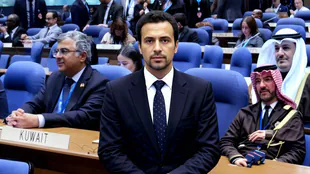
Australian Prime Minister Anthony Albanese delivered a direct challenge to Russian President Vladimir Putin during the APEC leaders’ summit in Shenzhen, urging an immediate cessation of hostilities in Ukraine. Speaking from a large circular table alongside more than 20 world leaders, Albanese looked directly across the room at the Russian leader and stated, “I say very directly to president Putin: end your war, end it now.”
The remark was delivered with characteristic restraint, avoiding dramatic flourish in favor of what observers described as a calculated, middle-power diplomatic approach. As the statement was translated into Russian, Putin was observed keeping his head down. The moment marked a significant point in Albanese’s foreign policy engagement, occurring despite recent criticism regarding his participation in the summit’s group photograph with the Russian leader, who is subject to an arrest warrant from the International Criminal Court for alleged war crimes.
The intervention capped one of the most substantial foreign policy trips of Albanese’s nearly five years in office. It followed a grueling 11-day itinerary that included visits to three countries and numerous bilateral meetings, undertaken while the prime minister battled a persistent illness. The trip was designed to reinforce Australia’s position in a shifting geopolitical landscape, particularly as it navigates relations with key partners including the United States and China.
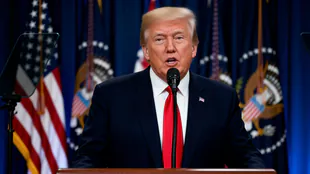
In Manila earlier in the week, Albanese held a meeting with former U.S. President Donald Trump, alongside leaders from Japan and India. Australian officials had expressed concern that the momentum of the Quad security dialogue was waning and that Trump might withdraw support during his final years in office. The meeting proved positive, with Trump praising the other leaders as longtime friends and agreeing to new joint military exercises. Albanese’s counsel is increasingly sought by international counterparts attempting to manage the complexities of working with Trump.
Albanese also engaged in a one-on-one meeting with Chinese President Xi Jinping at Kylin Villa in Shenzhen, held amid steady rain. Xi told Albanese that a “full turnaround” had been achieved in Australia-China relations, a notable shift given years of economic coercion and tariffs on $20 billion worth of Australian exports. Xi stated that “China-Australia friendship is what the people want,” to which Albanese replied that the relationship had become positive, calm, and not defined by differences. He added that both nations could have clear and frank exchanges for their mutual interest.
The talks at Kylin Villa, where Trump and Putin had held a historic trilateral summit the day prior, were followed by a call on Chinese Premier Li Qiang in Beijing. The meeting suggests that Albanese’s strategy of stabilizing relations and avoiding antagonism toward China has yielded results. However, Australian officials remain aware that Xi, who has demonstrated a willingness to inflict economic pain on Australia, could reverse course at any time.
In contrast to the progress with Beijing, the interaction with Trump presented different challenges. Although Trump is set to leave office in less than two years, his approach to international alliances drew criticism. He referred to Putin as “my friend,” overlooked crimes in Ukraine, and criticized institutions such as the International Criminal Court. Putin was overheard after leaving the meeting saying, “Nobody expected everything to go so well.” Analysts noted that Trump’s apparent admiration for authoritarian leaders lacks the moral backbone necessary for a true ally, and his decisions on support for Ukraine are expected to disappoint Australia.
The trip also included lower-profile moments that drew scrutiny. An awkward incident at the Cop31 climate talks in Turkey saw Albanese and Climate Change Minister Chris Bowen caught on a hot mic joking about radiation from mobile phones affecting their health. Additionally, the government faced criticism for funding a $32,000 coffee cart at the summit.
Looking ahead, Australia’s role as president of the Cop negotiations may pose political challenges. The struggle to make progress in Antalya could provide opponents within the Coalition and One Nation with renewed attack lines against the Labor government. Meanwhile, the broader outcomes for global climate action remain grim, underscoring the difficult context in which Albanese’s diplomatic efforts took place.
I.Wroblewski--GL