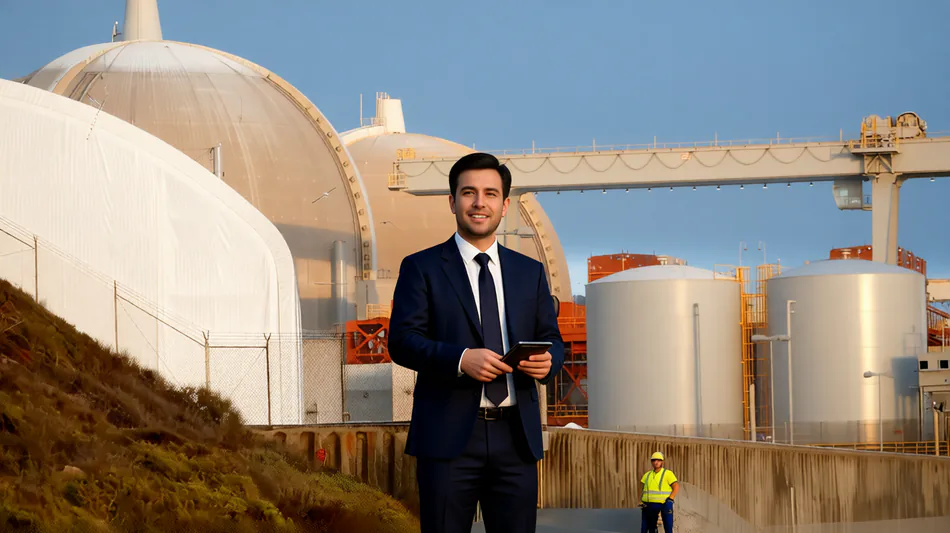
San Onofre Demolition Highlights California’s Nuclear Energy Void

 London
 3 °C

 Manchester
4 °C
 Glasgow
 2 °C
 Dublin
10 °C
 Belfast
10 °C
 Washington
9 °C
 Denver
9 °C
 Atlanta
8 °C
 Dallas
 15 °C
 Houston Texas
17 °C
 New Orleans
13 °C
 El Paso
17 °C
 Phoenix
21 °C
 Los Angeles
 21 °C
San Diego
21 °C
San Francisco
17 °C
Chicago
 6 °C
Minneapolis
3 °C
Seattle
14 °C
Portland
14 °C
Salt Lake City
8 °C
Las Vegas
 20 °C
Miami
20 °C
Jacksonville
11 °C
San Antonio
 18 °C
Bermuda
22 °C
Nassau
6 °C
Iqaluit
 -2 °C
Yellowknife
0 °C
Anchorage
-4 °C
Fairbanks
-8 °C
Barrow
-11 °C
Calgary
 12 °C
Edmonton
5 °C
Winnipeg
 4 °C
Goose Bay
4 °C
Halifax
5 °C
Boston
6 °C
Ottawa
4 °C
Toronto
5 °C
Detroit
5 °C
Cleveland
5 °C
New York
7 °C
Baltimore
9 °C
Philadelphia
8 °C
Nuuk (Godthåb)
0 °C
Hong Kong
21 °C
Singapore
27 °C
Melbourne
16 °C
Canberra
20 °C
Adelaide
 16 °C
Darwin
 29 °C
Perth
19 °C
Fort Worth
14 °C
Honolulu
26 °C
Sydney
18 °C
Johannesburg
16 °C
Dubai
23 °C
Mumbai
26 °C
Zürich
1 °C
Tokyo
14 °C
Seoul
9 °C
Delhi
19 °C
Beijing
4 °C
Riyadh
12 °C
Prague
0 °C
Pennsylvania
8 °C
Valletta
19 °C
Manama
22 °C
Warsaw
1 °C
Stockholm
6 °C
The demolition of the twin domes at the former San Onofre nuclear power plant marks the physical end of an era for Southern California’s energy infrastructure. With no significant replacement capacity in place, the state faces growing concerns about its ability to meet future electricity needs as reliance on artificial intelligence and electric vehicles increases.
The iconic twin domes of the San Onofre nuclear power plant are finally being demolished, a milestone that concludes decades of decommissioning efforts for the facility. However, the physical removal of the structures has drawn little attention to a critical gap in California’s energy strategy: the absence of any concrete plan to replace the power previously generated by the site.
The San Onofre plant, constructed in the 1960s with its newest units already 30 years old when it closed, was shut down in 2013. While age played a role, the final decision to take the facility offline was heavily influenced by global events, specifically the devastating tsunami in Japan that caused meltdowns at the Fukushima Daiichi nuclear plant. Like San Onofre, which sat on the water’s edge near population centers, the proximity to communities made the risk of a similar disaster feel immediate and uncomfortable for residents.
When San Onofre ceased operations, Southern California lost nearly one-fifth of its electricity generating capacity. According to reports from The California Post, nothing has come close to replacing that lost power. Today, the state relies on just one remaining nuclear facility, Diablo Canyon, which is frequently described as being on the verge of closure.
This reduction in baseload power comes at a time when California’s energy demands are ramping up significantly. The growth of artificial intelligence data centers and the electrification of the state’s vehicle fleet require substantial new sources of electricity. Historically, nuclear power has been a key component of California’s energy mix because it provides ample electricity without burning carbon or emitting greenhouse gases.
Despite these factors, the environmental movement in California has largely shunned nuclear power due to concerns over nuclear waste. Although newer reactor designs aim to minimize this problem, the debate remains polarized. The state’s "green" lobby continues to insist that only renewable sources, such as solar and wind power, are acceptable alternatives to fossil fuels.
Critics argue that dismantling San Onofre without a viable replacement points to a broader strategic failure. They suggest that California’s leaders are planning for a managed decline characterized by high energy prices rather than pursuing rapid economic growth fueled by abundant and cheap energy. The state has had nearly 15 years since the plant’s closure to discuss what comes next, yet Sacramento has shown little interest in initiating that conversation.
As energy costs continue to rise, the urgency of this discussion is growing. The demolition of the "nuclear boobs," as the domes were colloquially known by drivers along Interstate 5 for decades, serves as a stark reminder of the infrastructure gap that remains unfilled.
K.Pawlak--GL